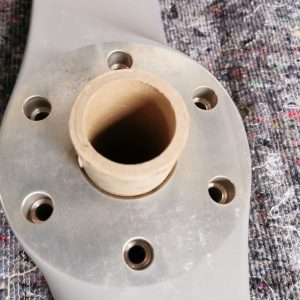
The Sensenich Propeller – P/N 74DM6-0-60
Accurate model terminology helps prevent confusion with visually similar propellers that may have different pitch, diameter, hub, or aircraft applications.
A Sensenich Fixed-Pitch more info Propeller may also be categorized as a Sensenich Aluminum Propeller or Fixed-Pitch Aluminum Propeller when the exact material and configuration are confirmed.
The 74-Inch Aircraft Propeller, 60-Inch Pitch Propeller, Lycoming O-320 Propeller, and General Aviation Propeller keywords represent common dimensional, engine, and application searches associated with the model.
The Certified Aircraft Propeller description should distinguish the approved propeller design from the current serviceability and installation eligibility of the individual unit.
Confirming the Exact Aircraft Propeller
Every digit, letter, dash, suffix, alteration stamp, and serial marking should be recorded because similar-looking propellers can have different applications or dimensional configurations.
The serial number should match all supplied invoices, manufacturer documents, inspection records, and release paperwork.
Verifying Condition Before Installation
An unused propeller may still develop coating damage, corrosion, moisture exposure, scratches, dents, contamination, or packaging-related abrasion.
Detailed condition evidence supports responsible marketing of the Sensenich Propeller – P/N 74DM6-0-60
Matching Propeller Design to Aircraft Performance
Its practical performance depends on blade design, diameter, pitch, engine power, maximum RPM, airframe configuration, aircraft weight, altitude, temperature, and installation condition.
Incorrect dimensions can produce operational concerns even when the propeller fits physically on the flange.
Evaluating Blade and Hub Condition
Metal construction does not eliminate the possibility of fatigue, corrosion, impact damage, improper material removal, dimensional loss, or storage deterioration.
Harsh cleaners, abrasive pads, unapproved polishing, and uncontrolled sanding should be avoided because they may damage the finish or alter blade surfaces.
Avoiding Unverified Propeller Size Claims
The 74-inch diameter description should be confirmed through the complete model designation, manufacturer data, available records, and suitable physical measurement.
A difference between documented and measured dimensions should be investigated before installation.
Verifying the 74DM6-0-60 Pitch
The 60-inch pitch designation is an important specification that should be verified through model markings, suitable technical data, and professional measurement when required.
Professional pitch evaluation protects the Sensenich 74DM6-0-60 Propeller.
Lycoming O-320 Propeller Compatibility
Aircraft-specific research reduces unsuitable fitment and loading concerns.
Qualified research supports responsible selection of a Lycoming O-320 Propeller.
Protecting the Matched Two-Blade Design
A Two-Blade Aircraft Propeller should be evaluated as a complete matched assembly rather than as two independent blade components.
A never-installed propeller may still require static balance verification after extended storage or transportation.
Bolt Pattern and Engine Flange Compatibility
The propeller hub should match the receiving engine flange, pilot diameter, bolt pattern, approved spacer arrangement, spinner components, and required installation hardware.
Professional hardware selection protects the engine and Replacement Aircraft Propeller.
Checking a New Sensenich Propeller
Blade faces and backs should be examined for pressure marks, stains, chemical exposure, paint defects, surface distortion, and trapped contamination.
Suspicious areas should be examined carefully after the wrapping is removed using appropriate handling procedures.
Preserving an Unused Aircraft Propeller
A dry storage history can reduce corrosion risk but does not eliminate the need for inspection.
Protective covers should prevent contamination and impact without encouraging condensation around the aluminum.
Certified Aircraft Propeller Status
Accurate language prevents unsupported certification or installation claims.
Organized records strengthen the commercial value of the Certified Aircraft Propeller.
Evaluating Release Paperwork
Conflicting or incomplete identification should be resolved before payment or installation.
Paperwork should not be interpreted beyond its actual scope or current relevance.
Pre-Purchase Inspection Checklist
The seller should provide photographs of both sides of each blade, leading edges, trailing edges, tips, hub, mounting holes, data plate, packaging, and any damaged areas.
- Compare the propeller with the receiving aircraft model, serial range, Lycoming engine designation, engine flange, spinner, operating limitations, and approved installation information.
- Inspect or document the diameter, pitch, blade symmetry, finish condition, corrosion, pitting, scratches, dents, cracks, coating damage, tip shape, mounting holes, and hub surfaces.
- Inspect and photograph the propeller immediately after delivery before cleaning, measuring, balancing, repairing, mounting, or modifying it.
Protecting a New Two-Blade Propeller in Transit
The propeller should be packaged in a rigid crate or container that supports the hub and protects both blades from bending, impact, abrasion, and uncontrolled movement.
Careful freight preparation reduces damage risk to the Sensenich Aircraft Propeller.
Maintaining Packaging and Identification
Storage supports should avoid concentrating weight on blade tips, edges, or thin blade surfaces.
Periodic inspection can identify developing corrosion, packaging damage, coating defects, or mishandling.
Mounting the Replacement Aircraft Propeller
The engine flange, pilot fit, mounting surfaces, threads, bolt holes, and related components should be inspected before assembly.
Disciplined installation supports dependable Two-Blade Aircraft Propeller operation.
Dynamic balance may be considered after mechanical condition and correct installation are confirmed.
Routine Sensenich Propeller Maintenance
Consistent maintenance protects the Sensenich Fixed-Pitch Propeller.
Maintenance records should identify inspection findings, measurements, corrective action, parts, dates, and personnel involved.
Buying P/N 74DM6-0-60
A recent professional inspection may add value when the scope, measurements, findings, and documentation are described accurately.
Total acquisition cost may include the purchase price, specialist inspection, dimensional verification, static or dynamic balance work, mounting hardware, spinner components, installation labor, packaging, shipping, and documentation.
Choosing the Sensenich Propeller – P/N 74DM6-0-60
When thoroughly evaluated, documented, packaged, installed, and maintained, the Sensenich Propeller – P/N 74DM6-0-60
Buyers should request current photographs, exact dimensional information, transparent condition disclosures, inspection details, protected freight arrangements, secure payment terms, and qualified propeller review.
Whether the product is described as a 74-Inch Aircraft Propeller, 60-Inch Pitch Propeller, Lycoming O-320 Propeller, or General Aviation Propeller, aircraft-specific applicability remains essential.
New, Never Installed can deliver a professional combination of fixed-pitch simplicity, aluminum construction, replacement value, and general aviation application potential.